
Contact Info
-
8/251-6, Bharathi Nagar 1st Street, (Near-Thangam Mahal), Kalankarai, Ramanathapuram - 623 503.
- vimalathithan1987@gmail.com
- 7558118917
8/251-6, Bharathi Nagar 1st Street, (Near-Thangam Mahal), Kalankarai, Ramanathapuram - 623 503.



Cervical spondylosis is a common degenerative condition that affects the cervical spine (neck region), often caused by age-related wear and tear of the spinal discs and joints. It can lead to symptoms such as neck pain, stiffness, headaches, and sometimes numbness or tingling in the shoulders and arms. If left untreated, cervical spondylosis can affect daily activities and reduce neck mobility. At BM Physio Clinic, a trusted physiotherapy clinic in Ramanathapuram, we provide specialized physiotherapy treatment to help relieve pain and restore normal neck function.
Physiotherapy plays an important role in managing cervical spondylosis by improving neck flexibility, strengthening supporting muscles, and reducing pressure on the cervical spine. At BM Physio Clinic, treatment programs include evidence-based rehabilitation exercises, manual therapy techniques, posture correction, and pain management therapies. With early physiotherapy care and guided rehabilitation, patients can improve neck mobility, reduce discomfort, and maintain long-term spinal health.
Cervical spondylosis is a degenerative condition that affects the cervical spine, which is the neck region of the spine. It usually occurs due to age-related wear and tear of the spinal discs, joints, and surrounding structures. Over time, the discs may lose flexibility and hydration, causing stiffness and discomfort in the neck. This condition can sometimes lead to nerve compression, resulting in symptoms such as pain radiating to the shoulders or arms.
At BM Physio Clinic, cervical spondylosis is managed through physiotherapy treatments that focus on improving neck mobility, strengthening supporting muscles, and reducing pressure on the cervical spine. With appropriate physiotherapy care and rehabilitation exercises, patients can effectively manage symptoms and maintain better spinal health.
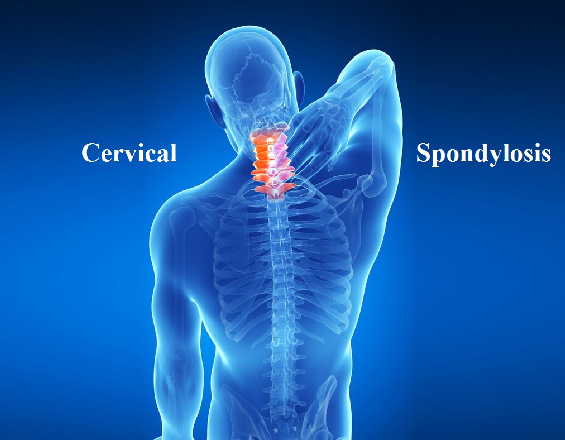

Physiotherapy plays a significant role in managing cervical spondylosis by reducing neck pain and improving flexibility. Through targeted rehabilitation exercises and manual therapy techniques, physiotherapists help relieve muscle tension and restore normal movement in the cervical spine.
At BM Physio Clinic, physiotherapy programs are designed according to the patient’s condition and severity of symptoms. Treatment may include posture correction, stretching exercises, and strengthening programs that support the cervical spine and prevent further strain on the neck.
Neck pain can occur due to poor posture, prolonged sitting, or degenerative spinal conditions like cervical spondylosis. If neck discomfort persists for several days or worsens during daily activities, it is advisable to seek professional physiotherapy treatment.
Early physiotherapy assessment helps identify the cause of neck pain and allows physiotherapists to design an appropriate treatment plan. At BM Physio Clinic, timely intervention helps reduce symptoms and restore normal neck movement before the condition becomes severe.
Early physiotherapy treatment for cervical spondylosis can prevent the condition from worsening and causing long-term complications. Delayed treatment may lead to increased stiffness, reduced mobility, and chronic pain that affects everyday activities.
At BM Physio Clinic, early physiotherapy intervention focuses on reducing inflammation, improving spinal alignment, and strengthening supporting muscles. This proactive approach helps patients recover faster and maintain healthy neck movement.
Cervical spondylosis physiotherapy can benefit individuals experiencing chronic neck pain, stiffness, or limited movement. It is particularly helpful for people who spend long hours working at desks, using computers, or performing repetitive neck movements.
At BM Physio Clinic, physiotherapy programs are tailored to suit the needs of different individuals, including office workers, older adults, and people recovering from neck injuries. With proper physiotherapy guidance, patients can improve mobility and reduce the risk of recurring neck problems.
Cervical spondylosis is primarily caused by age-related degeneration of the cervical spine, where the discs between the vertebrae gradually lose their flexibility and cushioning ability. Over time, this wear and tear may lead to bone spurs, disc dehydration, and stiffness in the neck region. These structural changes can cause discomfort and reduced mobility.
Apart from aging, lifestyle factors such as poor posture, long hours of computer work, and repetitive neck movements can also contribute to cervical spine stress. At BM Physio Clinic, physiotherapists evaluate the root causes of the condition to develop treatment plans that address both symptoms and underlying spinal issues.
The symptoms of cervical spondylosis can vary depending on the severity of the condition and whether nearby nerves are affected. Many patients initially experience mild neck stiffness or discomfort that gradually worsens over time.
In some cases, cervical spondylosis may lead to nerve compression, causing pain that radiates to the shoulders, arms, or upper back. Physiotherapy assessment helps identify these symptoms early and ensures appropriate treatment to restore neck mobility and relieve discomfort.
Posture plays a critical role in maintaining cervical spine health. Poor posture, especially while working on computers or using mobile devices, can place excessive stress on the neck muscles and spinal joints. Over time, this strain may contribute to cervical spondylosis symptoms.
At BM Physio Clinic, physiotherapists educate patients about proper posture techniques and ergonomic adjustments to reduce neck strain. Correct posture combined with physiotherapy exercises can significantly improve spinal alignment and reduce recurring neck pain.
Strengthening exercises are essential for supporting the cervical spine and preventing excessive strain on the neck joints. Strong neck and shoulder muscles help stabilize the spine and improve overall posture.
Physiotherapy rehabilitation programs include targeted exercises designed to strengthen the muscles around the neck, shoulders, and upper back. These exercises help improve spinal support, reduce stiffness, and promote long-term neck health.
Lifestyle changes play an important role in managing cervical spondylosis and preventing worsening of symptoms. Daily habits such as maintaining proper posture, staying physically active, and avoiding excessive neck strain can support spinal health.
At BM Physio Clinic, patients receive guidance on activity modifications and exercises that protect the cervical spine. These strategies help reduce stress on the neck and support long-term mobility.
Cervical spondylosis may progress gradually over time as the spinal discs and joints undergo degenerative changes. Understanding the stage of the condition helps physiotherapists design appropriate treatment programs to relieve symptoms and improve neck mobility.
| Stage of Cervical Spondylosis | Common Symptoms | Physiotherapy Treatment Focus |
|---|---|---|
| Early Stage | Mild neck pain and occasional stiffness | Posture correction and gentle neck exercises |
| Moderate Stage | Increased stiffness and reduced neck movement | Stretching exercises and strengthening programs |
| Advanced Stage | Persistent neck pain and limited mobility | Manual therapy and rehabilitation exercises |
| Nerve Compression Stage | Tingling or numbness in arms | Nerve mobilization and cervical stabilization exercises |
| Recovery Stage | Reduced pain with improving movement | Strengthening and posture training |
Recognizing the symptoms of cervical spondylosis early can help patients seek physiotherapy treatment before the condition worsens. Physiotherapy focuses on relieving pain, improving flexibility, and restoring neck movement.
| Symptom | Possible Cause | Physiotherapy Approach |
|---|---|---|
| Neck pain | Degeneration of cervical discs | Pain management therapy |
| Neck stiffness | Reduced joint flexibility | Stretching and mobility exercises |
| Headaches | Muscle tension in neck region | Postural correction and relaxation techniques |
| Tingling in arms | Nerve compression | Nerve mobilization exercises |
| Limited neck movement | Muscle tightness and joint stiffness | Strengthening and flexibility training |
Physiotherapy treatment combines various therapeutic techniques to improve neck mobility and relieve pain caused by cervical spondylosis. These techniques help restore spinal flexibility and strengthen the supporting muscles.
| Physiotherapy Technique | Purpose | Benefits |
|---|---|---|
| Manual Therapy | Improve joint mobility | Reduces stiffness and improves movement |
| Therapeutic Exercises | Strengthen neck muscles | Supports spinal stability |
| Electrotherapy | Pain relief treatment | Reduces inflammation and discomfort |
| Posture Correction Training | Improve spinal alignment | Prevents further strain on the neck |
| Stretching Exercises | Increase flexibility | Restores range of motion |
Physiotherapy exercises are essential for managing cervical spondylosis because they help improve flexibility and reduce stiffness in the neck muscles. Targeted exercises focus on strengthening the muscles that support the cervical spine, which helps reduce pressure on the spinal joints and discs.
At BM Physio Clinic, physiotherapists guide patients through customized exercise programs designed to restore neck movement and improve posture. Regular physiotherapy exercises help relieve pain and support long-term spinal health by improving muscle strength and flexibility.
Ergonomic practices play a crucial role in preventing and managing cervical spondylosis, especially for individuals who spend long hours working at desks or using computers. Poor workstation setup can place excessive strain on the neck and shoulder muscles, leading to chronic neck pain.
At BM Physio Clinic, physiotherapists educate patients about proper workstation ergonomics and posture correction techniques. Small adjustments such as maintaining screen height at eye level and taking frequent breaks can significantly reduce strain on the cervical spine.
Preventing the progression of cervical spondylosis requires a combination of physiotherapy treatment, lifestyle changes, and proper spinal care. Early intervention can reduce symptoms and prevent further degeneration of the cervical spine.
At BM Physio Clinic, physiotherapists guide patients on exercises, posture correction, and daily activity modifications that help protect the cervical spine. These preventive strategies help maintain neck mobility and reduce the risk of chronic pain or nerve compression.
Cervical spondylosis can affect daily comfort, posture, and neck mobility if not managed properly. With the right physiotherapy care, it is possible to relieve neck pain, improve flexibility, and strengthen the muscles that support the cervical spine. At BM Physio Clinic, treatment programs focus on evidence-based physiotherapy techniques, posture correction, and targeted rehabilitation exercises to help patients achieve long-term relief and better spinal health.
Early physiotherapy intervention and consistent rehabilitation can significantly improve neck movement and prevent the progression of cervical spine degeneration. With personalized care and guided exercises, patients can restore mobility, reduce discomfort, and maintain a healthy and active lifestyle.
Book your consultation at BM Physio Clinic today and take the first step toward relieving neck pain and restoring healthy cervical spine movement.
Cervical spondylosis is a degenerative condition affecting the cervical spine that can cause neck pain, stiffness, and reduced mobility. Physiotherapy helps manage the condition by improving neck flexibility, strengthening supporting muscles, correcting posture, and reducing pressure on the cervical spine.
You should consult a physiotherapist if you experience persistent neck pain, stiffness, headaches related to neck tension, or numbness in the shoulders or arms. Early physiotherapy treatment can help relieve symptoms and prevent the condition from worsening.
Physiotherapy treatments may include stretching exercises, strengthening programs, manual therapy techniques, posture correction training, and electrotherapy for pain relief. These treatments help improve neck mobility and reduce discomfort.
The recovery time depends on the severity of the condition and the patient’s lifestyle factors. Many patients experience improvement in neck pain and flexibility within a few weeks of regular physiotherapy treatment and guided exercises.
Yes. Physiotherapy helps prevent the progression of cervical spondylosis by strengthening neck muscles, improving posture, and promoting healthy spinal movement patterns. Regular exercises and proper ergonomic practices can significantly reduce strain on the cervical spine.

