
Contact Info
-
8/251-6, Bharathi Nagar 1st Street, (Near-Thangam Mahal), Kalankarai, Ramanathapuram - 623 503.
- vimalathithan1987@gmail.com
- 7558118917
8/251-6, Bharathi Nagar 1st Street, (Near-Thangam Mahal), Kalankarai, Ramanathapuram - 623 503.


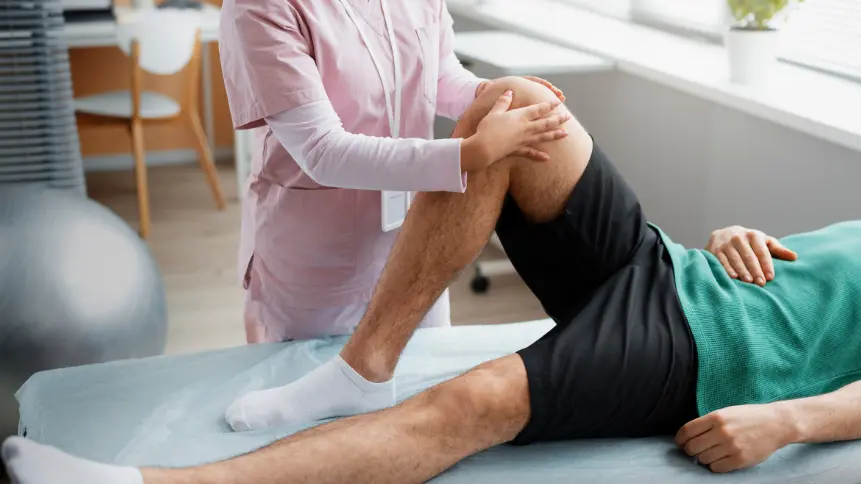
>Knee pain is one of the most common musculoskeletal problems that can affect people of all ages. It may occur due to injuries, ligament strain, arthritis, sports activities, or prolonged stress on the knee joint. Persistent knee pain can make everyday activities such as walking, climbing stairs, or standing for long periods difficult. At BM Physio Clinic, a trusted physiotherapy clinic in Ramanathapuram, we provide specialized knee pain physiotherapy and knee care treatments designed to relieve pain and restore joint mobility.
Physiotherapy plays a vital role in managing knee pain by strengthening the muscles around the knee joint, improving flexibility, and reducing stress on the ligaments and cartilage. At BM Physio Clinic, treatment programs include evidence-based rehabilitation exercises, manual therapy techniques, posture correction, and pain management therapies. With proper physiotherapy care and guided rehabilitation, patients can improve knee strength, regain mobility, and prevent future knee injuries.
Knee pain can develop due to various conditions affecting the knee joint, including ligament injuries, cartilage damage, arthritis, or muscle strain. The knee is a complex joint that supports body weight and enables movement, making it vulnerable to stress and injury during physical activities.
At BM Physio Clinic, physiotherapists assess the underlying cause of knee pain to design personalized treatment plans. Identifying the cause helps ensure that physiotherapy rehabilitation focuses on restoring knee stability and improving joint function.

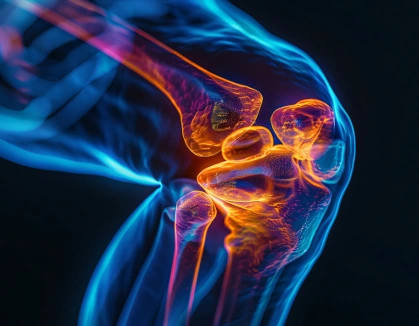
Physiotherapy treatment helps relieve knee pain by strengthening the muscles around the knee and improving joint stability. Targeted exercises reduce pressure on the knee joint and improve flexibility, allowing patients to move more comfortably.
At BM Physio Clinic, physiotherapists develop rehabilitation programs tailored to each patient’s condition. These programs combine strengthening exercises, stretching routines, and therapeutic techniques to improve knee function and prevent recurring pain.
Knee pain may begin as mild discomfort but can worsen if left untreated. Seeking physiotherapy care early helps prevent long-term joint problems and improves recovery outcomes.
At BM Physio Clinic, physiotherapists perform detailed assessments to determine the cause of knee pain and create appropriate rehabilitation plans. Early physiotherapy intervention helps restore mobility and reduce the risk of chronic knee problems.
Several factors can increase the likelihood of developing knee pain, especially when the knee joint is exposed to repeated stress or improper movement patterns. Individuals who engage in high-impact sports, heavy physical work, or prolonged standing may experience increased strain on the knee structures.
At BM Physio Clinic, physiotherapists evaluate lifestyle habits, physical activity levels, and biomechanical factors that may contribute to knee problems. Understanding these risk factors helps create personalized physiotherapy plans aimed at protecting knee health and preventing further joint damage.
Accurate diagnosis is essential for identifying the exact cause of knee pain and determining the most appropriate treatment approach. Physiotherapists conduct detailed physical assessments to evaluate knee movement, muscle strength, joint stability, and functional limitations.
At BM Physio Clinic, diagnostic evaluation allows physiotherapists to understand the condition affecting the knee joint and design targeted physiotherapy rehabilitation programs. Early assessment helps ensure faster recovery and prevents worsening of knee problems.
Balance and stability training play an important role in maintaining knee joint health and preventing injuries. These exercises improve neuromuscular control and help the body maintain proper alignment during movement.
At BM Physio Clinic, physiotherapists include stability exercises in knee rehabilitation programs to improve coordination and strengthen the supporting muscles. This training helps patients regain confidence in their movements and reduces the risk of future knee injuries.
Flexibility training helps improve the range of motion of the knee joint and surrounding muscles. Tight muscles around the knee can increase stress on the joint, leading to discomfort and restricted movement.
Physiotherapists at BM Physio Clinic incorporate stretching and flexibility exercises into rehabilitation programs. These exercises help maintain joint mobility, improve circulation, and support overall knee function.
Maintaining healthy knees requires consistent care and attention to daily habits. Physiotherapy guidance can help individuals adopt practices that protect the knee joint and prevent recurring problems.
At BM Physio Clinic, patients receive recommendations on exercise routines, posture techniques, and activity modifications that support long-term knee health. These preventive strategies help maintain mobility and reduce the risk of chronic knee pain.
Different knee conditions can cause pain, swelling, and reduced mobility. Identifying the specific condition helps physiotherapists create targeted rehabilitation programs that improve knee function and reduce discomfort.
| Knee Condition | Affected Area | Common Symptoms | Physiotherapy Focus |
|---|---|---|---|
| ACL Injury | Knee Ligament | Knee instability and swelling | Ligament strengthening and stability training |
| Meniscus Injury | Knee Cartilage | Pain during movement or twisting | Mobility exercises and rehabilitation |
| Patellar Tendonitis | Front of the Knee | Pain while jumping or running | Stretching and strengthening exercises |
| Knee Osteoarthritis | Knee Joint Cartilage | Chronic knee pain and stiffness | Joint mobility and strengthening therapy |
| Muscle Strain Around Knee | Surrounding Muscles | Pain and reduced flexibility | Muscle rehabilitation and stretching |
Physiotherapy exercises are essential for improving knee strength and restoring joint mobility. These exercises target the muscles that support the knee joint and improve balance and stability.
| Exercise Type | Target Area | Purpose | Benefit |
|---|---|---|---|
| Quadriceps Strengthening | Front Thigh Muscles | Improve knee stability | Supports knee joint movement |
| Hamstring Stretching | Back Thigh Muscles | Improve flexibility | Reduces muscle tightness |
| Straight Leg Raises | Thigh Muscles | Strengthen knee support muscles | Improves joint control |
| Balance Training | Knee and Core Muscles | Improve stability | Prevents falls and injuries |
| Functional Movement Training | Knee Joint | Improve daily movement ability | Supports safe activity performance |
Physiotherapy treatment includes different therapeutic techniques that help relieve knee pain and improve joint function. These techniques are selected based on the patient’s condition and rehabilitation needs.
| Physiotherapy Technique | Purpose | Benefits |
|---|---|---|
| Manual Therapy | Improve joint mobility | Reduces stiffness and improves movement |
| Electrotherapy | Pain relief treatment | Reduces inflammation and discomfort |
| Therapeutic Exercises | Strengthen knee muscles | Improves stability and mobility |
| Stretching Programs | Improve flexibility | Restores range of motion |
| Rehabilitation Training | Gradual recovery exercises | Supports long-term knee health |
The knee joint works as part of a complex biomechanical system involving the hips, ankles, and surrounding muscles. When this movement pattern becomes imbalanced due to poor posture, muscle weakness, or improper walking mechanics, excessive stress can be placed on the knee joint.
At BM Physio Clinic, physiotherapists evaluate the biomechanics of the lower limb to identify movement patterns that may contribute to knee pain. Correcting these biomechanical issues through physiotherapy exercises and movement training helps restore proper knee function and reduce recurring discomfort.
Early rehabilitation is important for preventing knee pain from becoming a chronic condition. Delaying treatment can lead to muscle weakness, joint stiffness, and reduced mobility, making recovery more difficult over time.
At BM Physio Clinic, physiotherapists emphasize early physiotherapy intervention to improve knee strength and restore mobility. Early rehabilitation programs help control inflammation, maintain joint movement, and support faster recovery.
Functional training focuses on improving the body’s ability to perform everyday movements safely and efficiently. These exercises mimic daily activities such as walking, climbing stairs, and bending, which helps strengthen the knee in real-life movement patterns.
At BM Physio Clinic, functional training is included in knee physiotherapy programs to improve coordination, balance, and overall joint stability. This approach ensures that patients regain confidence in their movement and maintain long-term knee health.
Certain lifestyle and physical factors can increase the likelihood of developing knee pain. Individuals who participate in high-impact activities, carry excess body weight, or perform repetitive knee movements may experience increased stress on the knee joint. Over time, this stress can lead to inflammation, joint discomfort, and reduced mobility.
At BM Physio Clinic, physiotherapists evaluate risk factors that may contribute to knee pain and develop treatment programs aimed at reducing these risks. Addressing these factors through physiotherapy exercises and lifestyle changes helps improve knee function and prevent further joint damage.
Knee pain may start as mild discomfort but can gradually worsen if left untreated. Early physiotherapy consultation helps identify the cause of knee pain and prevents further complications. Seeking treatment at the right time improves recovery outcomes and helps restore knee mobility.
At BM Physio Clinic, physiotherapists perform detailed assessments to determine the severity of knee pain and design appropriate rehabilitation programs. Early intervention helps reduce inflammation, strengthen muscles, and support long-term knee health.
Certain daily activities or physical movements can place excessive stress on the knee joint, worsening existing knee pain. Activities such as prolonged kneeling, heavy lifting, or sudden twisting movements may aggravate the knee structures.
At BM Physio Clinic, physiotherapists guide patients on modifying these activities to protect the knee joint during recovery. Learning safe movement techniques helps reduce strain on the knee and supports faster rehabilitation.
Maintaining healthy knees requires consistent care and attention to daily habits. Proper movement patterns, regular exercise, and maintaining a healthy body weight can significantly reduce stress on the knee joints.
At BM Physio Clinic, physiotherapists provide guidance on daily habits that support knee health and mobility. Adopting these practices helps maintain joint flexibility and reduces the risk of chronic knee problems.
Knee pain can significantly affect mobility and daily activities if not managed properly. With the right physiotherapy care and rehabilitation approach, it is possible to reduce pain, improve joint flexibility, and strengthen the muscles that support the knee. At BM Physio Clinic, treatment programs focus on restoring knee function, enhancing stability, and promoting long-term joint health through evidence-based physiotherapy techniques.
Through personalized physiotherapy sessions and guided exercise programs, patients can regain confidence in their movement and prevent recurring knee problems. Early physiotherapy intervention and consistent knee care play an important role in maintaining healthy joints and improving overall quality of life.
Book your consultation at BM Physio Clinic today and take the first step toward relieving knee pain, improving mobility, and maintaining strong and healthy knees.
Knee pain can occur due to injuries, arthritis, ligament strain, muscle weakness, or overuse of the knee joint. Physiotherapy helps reduce pain by strengthening the muscles around the knee, improving flexibility, and restoring joint stability through targeted rehabilitation exercises.
You should consult a physiotherapist if knee pain persists for several days, worsens during walking or climbing stairs, or causes swelling and stiffness. Early physiotherapy treatment can prevent further joint damage and improve recovery.
Physiotherapy treatments for knee pain may include strengthening exercises, stretching programs, manual therapy techniques, electrotherapy for pain relief, and rehabilitation training to improve knee mobility and stability.
The recovery time depends on the severity and cause of knee pain. Many patients experience improvement within a few weeks of regular physiotherapy sessions and guided exercises that help strengthen the knee and restore movement.
Yes. Physiotherapy strengthens the muscles that support the knee joint, improves balance and movement patterns, and teaches proper exercise techniques. These factors help reduce the risk of future knee injuries and maintain long-term knee health.

