
Contact Info
-
8/251-6, Bharathi Nagar 1st Street, (Near-Thangam Mahal), Kalankarai, Ramanathapuram - 623 503.
- vimalathithan1987@gmail.com
- 7558118917
8/251-6, Bharathi Nagar 1st Street, (Near-Thangam Mahal), Kalankarai, Ramanathapuram - 623 503.


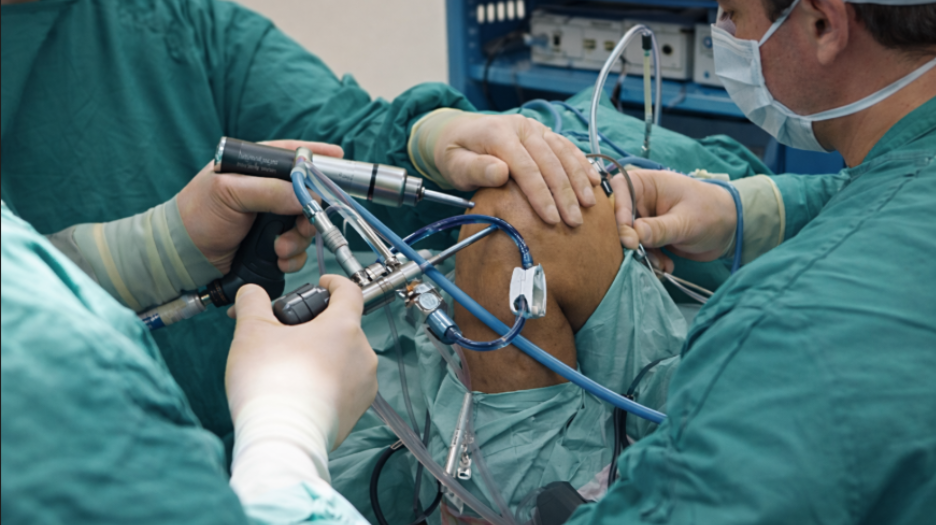
Ligament injuries occur when the strong connective tissues that support and stabilize joints become stretched or torn due to sudden movements, accidents, or sports-related activities. These injuries can affect various joints such as the knee, ankle, shoulder, or wrist and may lead to pain, swelling, instability, and limited movement. At our physiotherapy clinic in Ramanathapuram, we provide specialized ligament injury treatment designed to promote safe healing and restore joint stability.
Physiotherapy plays a crucial role in the recovery process by strengthening the surrounding muscles, improving joint flexibility, and reducing inflammation. Through evidence-based rehabilitation programs and advanced physiotherapy techniques, patients can regain normal joint function and return to their daily activities safely while minimizing the risk of re-injury.
Ligaments are tough bands of connective tissue that connect bones and provide stability to joints. When these tissues are stretched beyond their normal limits or torn due to sudden impact or twisting movements, ligament injuries occur. These injuries are common among athletes and physically active individuals but can also happen during routine daily activities.
At our physiotherapy & rehabilitation clinic, a detailed clinical assessment helps determine the severity of the ligament injury and the appropriate treatment plan. Early physiotherapy intervention helps reduce inflammation, promote tissue healing, and prevent long-term joint instability.
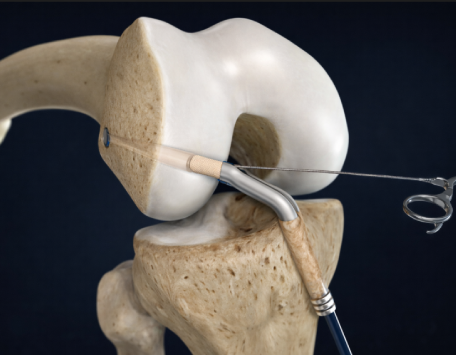
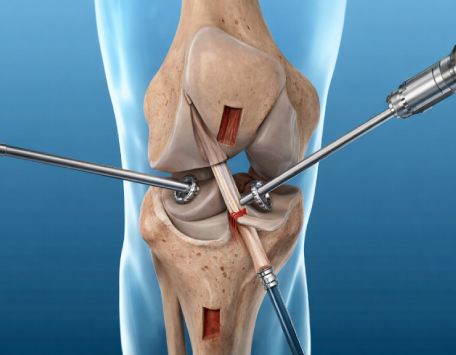
Ligament injuries often present with noticeable symptoms that affect joint stability and mobility. The severity of symptoms can vary depending on the degree of ligament damage. Patients may experience immediate pain and swelling after the injury, which may worsen with movement or weight-bearing activities.
Physiotherapy evaluation helps identify the severity of the ligament injury and determine the appropriate rehabilitation program. Early treatment helps control inflammation and supports faster healing of the injured ligament.
Physiotherapy treatment focuses on restoring joint stability, improving muscle strength, and supporting ligament healing. At our physiotherapy clinic in Ramanathapuram, rehabilitation programs are tailored to the severity of the ligament injury and the patient’s physical condition.
Therapists use a combination of manual therapy techniques, strengthening exercises, and physiotherapy modalities to improve joint movement and reduce pain. This structured rehabilitation approach helps patients recover safely and prevents further ligament damage.
Rehabilitation is a critical stage in ligament injury treatment. Physiotherapy helps patients gradually regain joint stability, flexibility, and strength through carefully designed rehabilitation programs. Controlled exercises allow the injured ligament to heal while improving muscle support around the joint.
At our physiotherapy & rehabilitation clinic in Ramanathapuram, rehabilitation programs are personalized to match the patient’s recovery progress. This ensures that patients regain full joint function and return to daily activities or sports safely.
Preventing ligament injuries involves strengthening the muscles that support joints and maintaining proper movement patterns during physical activities. Physiotherapists provide guidance on posture correction, exercise techniques, and injury prevention strategies.
Regular physiotherapy exercises and proper warm-up routines help improve joint stability and reduce the risk of ligament injuries. Maintaining muscle strength and flexibility is essential for long-term joint health.
Early physiotherapy intervention plays a critical role in the effective treatment of ligament injuries. When physiotherapy begins soon after the injury, it helps control inflammation, reduce pain, and prevent stiffness in the affected joint. At our physiotherapy clinic, early treatment focuses on protecting the injured ligament while promoting safe healing through guided rehabilitation.
Timely physiotherapy care also helps restore joint movement and muscle strength around the injured area. By addressing the injury early, patients can avoid long-term complications such as joint instability, chronic pain, or restricted mobility.
Physiotherapy provides structured rehabilitation that supports safe and effective recovery from ligament injuries. Through therapeutic exercises and advanced physiotherapy techniques, patients can gradually regain joint stability and functional movement.
At our physiotherapy clinic in Ramanathapuram, treatment programs are designed to strengthen the muscles supporting the injured ligament. This improves joint stability and helps patients return to daily activities or sports without discomfort.
Modern physiotherapy treatments use advanced therapeutic techniques to accelerate ligament healing and improve rehabilitation outcomes. These techniques help stimulate tissue repair, improve circulation, and reduce inflammation in the injured area.
At our physiotherapy clinic, physiotherapists combine therapeutic exercises with advanced treatment modalities to support faster recovery. This integrated treatment approach ensures that patients regain strength and joint stability safely.
Rehabilitation exercises are essential for restoring ligament strength and improving joint stability. Physiotherapy programs include carefully designed exercises that gradually rebuild muscle support around the injured ligament.
Through progressive rehabilitation, patients can regain confidence in their movement while improving balance and coordination. These exercises also help prevent future ligament injuries by strengthening the surrounding muscles and improving joint control.
Maintaining joint health is important for preventing recurring ligament injuries and ensuring long-term mobility. Physiotherapists provide guidance on strengthening exercises, posture correction, and safe movement techniques that protect joints during daily activities and sports.
By following physiotherapy recommendations and maintaining a consistent exercise routine, patients can improve joint flexibility and muscle strength. This helps reduce the risk of future injuries and supports overall physical health.
Joint stability is essential for performing daily activities and preventing further injuries. When a ligament is injured, the joint may become unstable and weak. Physiotherapy helps restore joint stability by strengthening the surrounding muscles and improving coordination.
At our physiotherapy clinic, therapists design personalized treatment programs that focus on improving joint support and restoring normal movement patterns. This approach ensures that the joint regains its strength and stability over time.
Exercise therapy is one of the most important components of ligament injury rehabilitation. Targeted exercises help restore muscle strength, flexibility, and coordination that may be lost after an injury.
Physiotherapists guide patients through progressive exercise programs that gradually increase intensity while protecting the injured ligament. These exercises help rebuild joint strength and ensure a safe return to daily activities or sports.
Lifestyle habits can play a significant role in the recovery process after a ligament injury. Maintaining a healthy lifestyle and following physiotherapy advice can help speed up healing and improve rehabilitation outcomes.
Physiotherapists often guide patients on posture correction, proper movement techniques, and activity modifications that reduce stress on the injured joint. These changes help protect the ligament during the recovery phase.
Muscle strength plays a vital role in protecting ligaments and supporting joint stability. Strong muscles around a joint help absorb stress during movement, reducing the load placed on the ligament.
Physiotherapy strengthening exercises focus on improving muscle endurance and flexibility. This helps protect the injured ligament while promoting better joint stability and overall physical performance.
After a ligament injury, it is important to return to physical activities gradually and safely. Physiotherapy rehabilitation programs help patients rebuild strength and coordination before resuming sports or demanding activities.
Physiotherapists monitor the recovery process and ensure that the joint is stable enough to handle physical stress. This careful approach helps athletes and active individuals return to sports confidently without risking further injury.
Ligament injuries are commonly classified based on the extent of ligament stretching or tearing. Understanding the severity of the injury helps physiotherapists design an appropriate rehabilitation plan that supports safe recovery and restores joint stability.
At our physiotherapy clinic, treatment programs are tailored according to the grade of the ligament injury. Early physiotherapy care combined with structured rehabilitation exercises can significantly improve recovery outcomes and help patients regain normal joint function.
| Ligament Injury Grade | Common Symptoms | Physiotherapy Treatment Approach |
|---|---|---|
| Grade 1 (Mild Stretch) | Mild pain, slight swelling, minimal instability | Gentle physiotherapy exercises, rest, and mobility training |
| Grade 2 (Partial Tear) | Moderate pain, swelling, reduced joint strength | Strengthening exercises, manual therapy, and rehabilitation programs |
| Grade 3 (Complete Tear) | Severe pain, significant instability, difficulty moving the joint | Advanced physiotherapy treatment and structured rehabilitation |
| Sports-Related Ligament Injury | Sudden pain during physical activity | Sports rehabilitation and progressive strengthening exercises |
| Chronic Ligament Weakness | Recurrent joint instability and discomfort | Long-term physiotherapy strengthening and stability training |
Ligament injuries can affect different joints in the body depending on the type of activity or trauma involved. Each ligament injury requires a specific physiotherapy treatment approach to restore joint stability, improve mobility, and support safe recovery.
At our physiotherapy clinic, treatment plans are designed after a detailed assessment of the injured ligament and surrounding muscles. Personalized rehabilitation programs help strengthen the joint, improve flexibility, and prevent future injuries.
| Ligament Injury Type | Affected Area | Physiotherapy Treatment Focus |
|---|---|---|
| ACL Injury | Knee Joint | Strengthening exercises and sports rehabilitation |
| MCL Injury | Inner Knee Ligament | Joint stabilization and controlled mobility exercises |
| Ankle Ligament Sprain | Ankle Joint | Balance training and strengthening exercises |
| Shoulder Ligament Injury | Shoulder Joint | Mobility exercises and manual therapy techniques |
| Wrist Ligament Injury | Wrist Joint | Flexibility exercises and functional rehabilitation |
Ligament injuries can significantly affect joint stability and physical performance if left untreated. With professional physiotherapy care, patients can recover effectively while restoring joint strength, flexibility, and functional movement.
At our physiotherapy clinic, treatment programs focus on safe recovery, long-term joint stability, and injury prevention. Through personalized physiotherapy care and structured rehabilitation programs, we help patients regain confidence in their movement and maintain an active lifestyle.
Book your consultation today at our physiotherapy clinic in Ramanathapuram and begin your recovery journey toward stronger joints and pain-free movement.
A ligament injury occurs when the connective tissue that stabilizes a joint is stretched or torn due to sudden movement, sports activities, or accidents. Treatment typically includes physiotherapy rehabilitation, strengthening exercises, and pain management techniques to restore joint stability and mobility.
You should consult a physiotherapist if you experience joint pain, swelling, instability, or difficulty moving the affected joint after an injury. Early physiotherapy treatment helps reduce inflammation, improve healing, and prevent long-term joint problems.
Recovery time depends on the severity of the ligament injury. Mild ligament strains may heal within a few weeks, while moderate or severe injuries may require several weeks of physiotherapy rehabilitation to restore joint strength and stability.
In many cases, physiotherapy can help manage ligament injuries without surgery by strengthening the muscles around the joint, improving mobility, and restoring stability. However, severe ligament tears may still require surgical intervention followed by physiotherapy rehabilitation.
Physiotherapy treatments may include strengthening exercises, manual therapy, stretching techniques, electrotherapy, and rehabilitation programs designed to restore joint function and prevent future ligament injuries.

