
Contact Info
-
8/251-6, Bharathi Nagar 1st Street, (Near-Thangam Mahal), Kalankarai, Ramanathapuram - 623 503.
- vimalathithan1987@gmail.com
- 7558118917
8/251-6, Bharathi Nagar 1st Street, (Near-Thangam Mahal), Kalankarai, Ramanathapuram - 623 503.


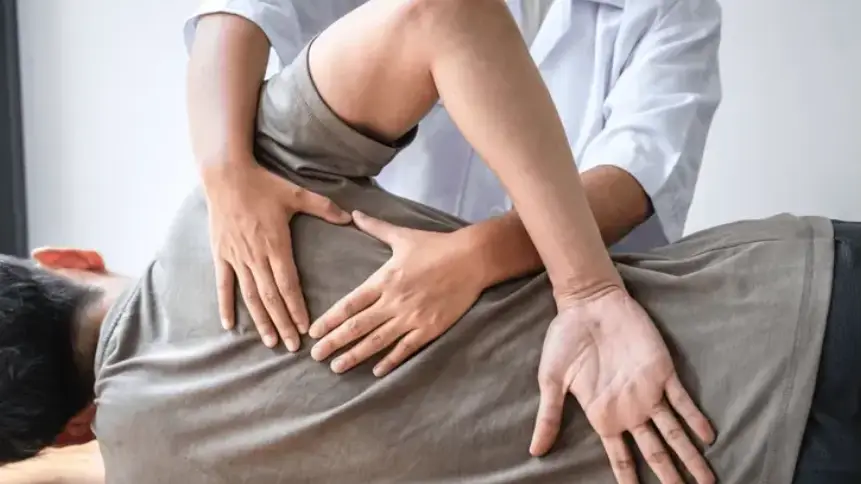
Prolapsed Intervertebral Disc (PIVD) is one of the most common causes of persistent lower back pain and nerve-related discomfort affecting the spine. When the cushioning disc between spinal bones protrudes outward, it can compress nearby nerves and disrupt normal spinal function. This condition can cause symptoms such as lower back pain, radiating leg pain, numbness, and restricted movement that interfere with everyday activities like sitting, walking, or lifting objects. Many individuals searching for PIVD treatment in Ramanathapuram are often experiencing these symptoms and looking for safe, effective, non-surgical treatment options that restore mobility and reduce pain.
At BM Physio Clinic, physiotherapy care focuses on identifying the root cause of disc stress and addressing it through structured rehabilitation programs. Physiotherapy plays a crucial role in reducing nerve compression, improving spinal stability, and helping patients regain functional movement without surgical procedures. Our treatment approach combines detailed clinical assessment, therapeutic exercise programs, manual therapy techniques, posture correction strategies, and electrotherapy pain management. Patients who visit trusted Physiotherapy Centres in Ramanathapuram for disc problems often benefit from early physiotherapy intervention because targeted rehabilitation can relieve symptoms, improve spinal alignment, and support long-term spine health.
The human spine is made up of bones called vertebrae that are separated by soft intervertebral discs. These discs act as shock absorbers and help the spine move smoothly during daily activities. When the outer layer of the disc weakens or tears, the inner gel-like material may protrude outward. This condition is known as Prolapsed Intervertebral Disc (PIVD). When the protruding disc presses against nearby spinal nerves, it can cause pain, numbness, tingling, or muscle weakness in different parts of the body, depending on the location of the disc injury.
Disc prolapse most commonly occurs in the lower back region of the spine because this area carries significant body weight and experiences frequent movement. Individuals experiencing prolonged back pain or nerve-related symptoms often seek care at Best Physiotherapy Centres for PIVD Prolapsed to receive professional evaluation and treatment. Physiotherapy focuses on reducing the pressure placed on the affected disc while strengthening the surrounding muscles that support the spine. By improving spinal stability and posture, physiotherapy helps reduce symptoms and supports the natural recovery of spinal structures.
A prolapsed disc usually develops gradually because of repeated stress placed on the spine over time. Poor posture during sitting, especially for long hours, can increase pressure on spinal discs and weaken their outer layer. Many individuals who work in office environments or use computers for extended periods may unknowingly place strain on their spines. Improper lifting of heavy objects, sudden twisting movements, or repetitive bending can also increase the risk of disc injury.
Lifestyle factors such as physical inactivity, obesity, and weak core muscles further contribute to disc problems. When the muscles that support the spine are weak, the spinal discs must absorb more pressure during daily movements. Age-related changes in the spine also play a role because discs gradually lose hydration and elasticity over time. Physiotherapy treatment helps address these contributing factors by strengthening spinal muscles, improving posture habits, and correcting movement patterns that place excessive strain on the spine.
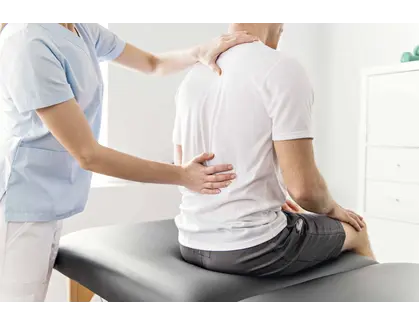
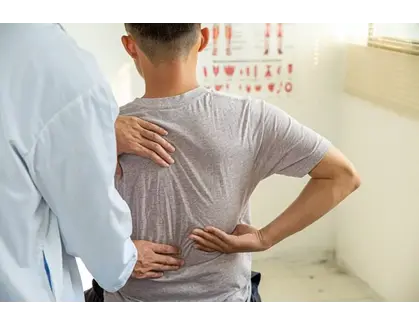
The symptoms of a prolapsed disc can vary depending on the location of the affected disc and the level of nerve compression. Some individuals experience persistent lower back pain that worsens during movement or prolonged sitting. Others may experience radiating pain that travels from the lower back down the leg, which is commonly associated with sciatica. Nerve compression may also cause tingling sensations, numbness, or weakness in the affected leg muscles.
Early recognition of these symptoms is important because prompt physiotherapy treatment can prevent the condition from worsening. Many individuals delay seeking treatment until pain becomes severe, which may slow recovery. Visiting Physiotherapy Centres in Ramanathapuram for early evaluation allows physiotherapists to identify nerve compression and develop targeted rehabilitation programs. Early physiotherapy treatment can reduce inflammation, restore mobility, and prevent long-term spinal complications.
Many individuals initially ignore back pain, assuming it is caused by temporary muscle strain or fatigue. However, persistent lower back pain that lasts for several days or worsens during movement may indicate an underlying spinal condition such as a prolapsed disc. If the pain begins to radiate down the leg, causes numbness, or affects daily activities such as sitting or walking, it is important to seek professional evaluation. These symptoms may indicate nerve compression caused by disc displacement and require structured physiotherapy treatment.
Visiting a physiotherapist early helps identify the exact cause of spinal discomfort and prevents the condition from progressing further. Patients searching for PIVD treatment in Ramanathapuram often experience relief through early physiotherapy intervention because treatment focuses on reducing pressure on the affected nerve while improving spinal mobility. Professional evaluation at Physiotherapy Centres in Ramanathapuram helps determine whether symptoms are related to disc problems and allows physiotherapists to create personalized rehabilitation programs that restore normal movement safely.
Early physiotherapy treatment plays an essential role in preventing disc problems from becoming more severe. When treatment begins soon after symptoms appear, it is easier to reduce nerve irritation and control inflammation around the injured disc. Early rehabilitation also helps restore spinal movement before stiffness and muscle weakness develop. Individuals who seek physiotherapy care early often experience faster recovery and improved functional mobility.
Delaying treatment may allow the disc injury to worsen and increase pressure on nearby nerves. This may lead to prolonged pain, restricted mobility, and longer recovery periods. Patients who visit Best Physiotherapy Centres for PIVD prolapse at the early stages of the condition often experience significant improvement through structured physiotherapy programs. Early physiotherapy focuses on pain relief, spinal stabilization, posture correction, and strengthening exercises that protect the spine and promote safe recovery.
Physiotherapy is widely considered one of the most effective non-surgical treatment approaches for managing prolapsed disc conditions. When a spinal disc presses against nearby nerves, it can cause pain, stiffness, and restricted movement. Physiotherapy focuses on relieving nerve pressure and restoring normal spinal function through targeted rehabilitation techniques. By improving spinal alignment and strengthening supporting muscles, physiotherapy helps reduce the mechanical stress placed on the affected disc.
Patients looking for PIVD treatment in Ramanathapuram often prefer physiotherapy because it provides a safe and evidence-based approach to recovery without surgical intervention. At BM Physio Clinic, treatment begins with a detailed spine assessment to identify nerve compression and movement limitations. Based on this evaluation, a personalized physiotherapy program is designed using therapeutic exercises, manual therapy techniques, electrotherapy for pain relief, and posture correction training. These treatments help reduce inflammation, strengthen spinal muscles, improve posture, and restore mobility, allowing patients to return to daily activities while protecting long-term spine health.
Managing a prolapsed intervertebral disc requires careful evaluation, structured rehabilitation, and professional physiotherapy guidance. Disc problems can affect spinal movement, cause nerve pain, and limit daily activities such as sitting, walking, or bending. Choosing a physiotherapy clinic that focuses on accurate assessment and individualized rehabilitation is important for improving recovery outcomes. At BM Physio Clinic, physiotherapy care for disc problems is designed to address both the symptoms and the underlying mechanical stress affecting the spine.
Individuals searching for PIVD treatment in Ramanathapuram often require physiotherapy programs that focus on reducing nerve compression, improving spinal mobility, and strengthening the muscles that support the spine. At BM Physio Clinic, treatment plans are developed based on each patient’s condition, movement limitations, and rehabilitation goals. The approach emphasizes evidence-based physiotherapy techniques, therapeutic exercises, and posture-correcting strategies to restore functional movement and support long-term spinal health. This structured rehabilitation approach helps patients recover safely while reducing the risk of recurring spinal problems.
Physiotherapy treatment for prolapsed disc conditions involves a combination of techniques designed to reduce pain, improve spinal movement, and strengthen supporting muscles. Manual therapy techniques are commonly used to restore joint mobility and reduce stiffness in the spine. Soft tissue therapy helps relax tight muscles around the injured disc and improves blood circulation in affected areas. These techniques help relieve tension and improve spinal flexibility.
Electrotherapy methods are often used as part of physiotherapy treatment to control pain and reduce inflammation. Electrical stimulation techniques help relax muscles and support the healing process in spinal tissues. When combined with rehabilitation exercises and posture correction training, these techniques improve recovery outcomes. Patients seeking PIVD treatment in Ramanathapuram often benefit from these physiotherapy techniques because they provide effective pain relief while supporting long-term spinal rehabilitation.
Exercise therapy plays a major role in physiotherapy treatment for prolapsed disc conditions. When a spinal disc becomes injured or displaced, surrounding muscles often weaken and lose their ability to support the spine properly. Carefully designed rehabilitation exercises help restore strength and stability to the muscles that protect the spinal column. These exercises are introduced gradually so that the spine can recover without placing additional pressure on the injured disc.
Patients undergoing PIVD treatment in Ramanathapuram often receive guided physiotherapy exercises that focus on strengthening the core muscles, improving flexibility, and stabilizing the spine. Core muscles, such as the abdominal and lower back muscles, act as a natural support system for the spine. Strengthening these muscles helps reduce stress placed on spinal discs during daily movements such as sitting, bending, and walking. Regular physiotherapy exercises also help patients regain confidence in movement and improve overall spinal health.
Posture plays an important role in maintaining spinal health and preventing disc-related problems. Poor sitting posture, especially during long hours of desk work, can place excessive pressure on spinal discs and increase the risk of disc prolapse. Many individuals unknowingly develop posture habits that strain the lower back, particularly when sitting without proper lumbar support. Physiotherapy treatment includes posture correction strategies that help reduce unnecessary pressure on the spine.
Patients receiving care at Physiotherapy Centres in Ramanathapuram are often guided on maintaining proper posture during everyday activities such as sitting, standing, and lifting objects. Correct posture helps distribute body weight evenly across the spine and reduces stress on individual discs. Physiotherapists also educate patients about ergonomic adjustments at the workplace or home environment to support healthy spinal alignment.
Preventing future disc problems is an important part of physiotherapy treatment. Once a prolapsed disc begins to heal, maintaining spinal health becomes essential to reduce the risk of recurrence. Physiotherapy focuses not only on recovery but also on educating patients about lifestyle habits that protect the spine. Regular physical activity, proper posture, and safe movement techniques play an important role in maintaining long-term spinal stability.
Patients who receive PIVD treatment in Ramanathapuram are often advised to continue strengthening exercises even after their symptoms improve. Maintaining strong core muscles helps support the spine and reduce stress on spinal discs during everyday activities. Healthy lifestyle choices such as staying active, maintaining proper body weight, and avoiding sudden heavy lifting also help reduce the risk of future disc injuries.
Physiotherapy treatment for a prolapsed intervertebral disc usually follows a structured rehabilitation process designed to reduce pain, restore mobility, and strengthen the spine. Each stage of treatment focuses on addressing specific aspects of the condition, from initial pain relief to long-term spine stability. A systematic treatment approach ensures that the injured disc heals safely while surrounding muscles regain their strength and flexibility.
Patients undergoing PIVD treatment in Ramanathapuram often benefit from structured physiotherapy programs because they combine pain management, rehabilitation exercises, and posture correction strategies. This step-by-step treatment plan allows physiotherapists to monitor progress and adjust therapy techniques according to the patient’s recovery stage. Through guided rehabilitation, patients gradually regain spinal function and return to their daily activities with improved confidence and reduced discomfort.
| Treatment Stage | Focus of Treatment | How It Helps the Patient |
|---|---|---|
| Initial Assessment | Evaluation of spinal posture, nerve symptoms, and movement limitations | Helps identify the exact cause of disc pain and plan personalized treatment |
| Pain Management | Physiotherapy techniques such as electrotherapy and soft tissue therapy | Reduces inflammation, muscle spasm, and nerve irritation |
| Mobility Restoration | Gentle spinal mobilization and stretching exercises | Improves spinal flexibility and reduces stiffness |
| Strengthening Phase | Core strengthening and stabilization exercises | Strengthens muscles that support the spine and reduce disc pressure |
| Functional Training | Movement correction and posture training | Helps patients safely return to normal daily activities |
| Long-Term Prevention | Lifestyle guidance and continued exercise programs | Reduces the risk of future disc problems and maintains spinal health |
Physiotherapy treatment for prolapsed disc conditions follows a structured process that focuses on reducing pain, restoring mobility, and improving spinal strength. The treatment process typically begins with a detailed clinical assessment to identify the location of nerve compression and evaluate movement limitations. Based on the findings, physiotherapists design a personalized rehabilitation plan that addresses the specific condition of the patient.
As treatment progresses, physiotherapy techniques are gradually introduced to improve spinal mobility and strengthen supporting muscles. Rehabilitation exercises, posture correction strategies, and pain management techniques work together to support recovery. Patients receiving care for PIVD treatment in Ramanathapuram often follow this structured physiotherapy process to safely restore movement and prevent recurring spinal problems.
Recovering from a prolapsed disc requires consistent rehabilitation, professional guidance, and long-term attention to spinal health. Physiotherapy provides a safe and effective pathway for individuals experiencing disc problems to regain mobility and return to normal activities. By combining therapeutic exercises, posture correction strategies, and physiotherapy techniques, patients can improve spinal strength and reduce discomfort associated with nerve compression.
Individuals searching for the best physiotherapy centres for PIVD Prolapsed often benefit from physiotherapy programs that focus not only on symptom relief but also on restoring spinal function and preventing future injuries. Through structured rehabilitation and patient education, physiotherapy supports long-term recovery and helps individuals maintain an active and healthy lifestyle. Persistent back pain or nerve-related symptoms should not be ignored. Early physiotherapy care can significantly improve recovery outcomes and prevent long-term spinal complications. If you are experiencing symptoms related to a prolapsed disc, a professional physiotherapy evaluation can help identify the cause and guide appropriate treatment.
At BM Physio Clinic, physiotherapy programs are designed to reduce pain, improve spinal mobility, and strengthen the muscles that support the spine. Starting treatment early can help restore movement and support long-term spinal health.
Book a consultation today and begin your journey toward better spine health.
PIVD stands for Prolapsed Intervertebral Disc, a condition where the cushioning disc between spinal bones protrudes and presses on nearby nerves, causing pain and mobility issues.
Yes. Physiotherapy is commonly used to manage disc problems by improving spinal strength, reducing nerve compression, and restoring mobility through targeted exercises and rehabilitation techniques.
Recovery time varies depending on the severity of the disc injury. Many patients begin to notice improvement within several weeks of structured physiotherapy treatment.
Physiotherapy treatments are designed to be safe and gradual, focusing on restoring spinal movement without placing additional strain on the injured disc.
If back pain lasts more than a few days, spreads to the leg, or causes numbness or weakness, consulting a physiotherapist for evaluation is recommended.

