
Contact Info
-
8/251-6, Bharathi Nagar 1st Street, (Near-Thangam Mahal), Kalankarai, Ramanathapuram - 623 503.
- vimalathithan1987@gmail.com
- 7558118917
8/251-6, Bharathi Nagar 1st Street, (Near-Thangam Mahal), Kalankarai, Ramanathapuram - 623 503.



Tendonitis is a common musculoskeletal condition that occurs when a tendon becomes inflamed due to repetitive movement, overuse, or excessive strain on the muscles and joints. Tendons are strong connective tissues that attach muscles to bones and play an important role in movement. When these tissues become irritated or inflamed, it can cause pain, stiffness, and reduced mobility. At our physiotherapy clinic in Ramanathapuram, we provide specialized tendonitis treatment focused on reducing inflammation and restoring normal joint movement.
Physiotherapy plays a vital role in managing tendonitis by addressing the underlying causes of the condition. Through evidence-based rehabilitation programs, therapeutic exercises, and advanced physiotherapy techniques, patients can recover safely while improving tendon strength and flexibility. Early physiotherapy intervention helps prevent chronic tendon injuries and supports long-term musculoskeletal health.
Tendonitis is a condition that occurs when a tendon becomes inflamed or irritated due to repetitive stress, overuse, or sudden physical strain. Tendons connect muscles to bones and help support smooth joint movement. When these tissues become inflamed, it can lead to pain, swelling, and difficulty performing everyday movements.
At our physiotherapy clinic, tendonitis is treated through a structured rehabilitation approach that focuses on reducing inflammation, restoring tendon flexibility, and strengthening the surrounding muscles. Early physiotherapy care can help prevent the condition from becoming chronic and ensure faster recovery.
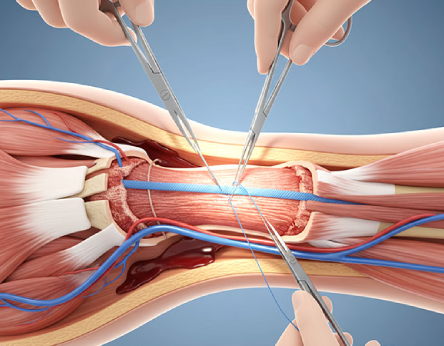
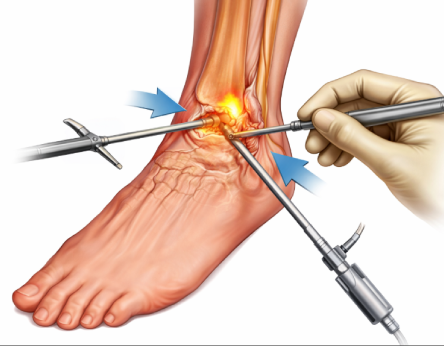
Recognizing the early signs of tendonitis is important to prevent long-term tendon damage. Patients should seek physiot herapy treatment if they experience persistent pain, swelling, or difficulty moving the affected joint during daily activities or physical exercise.
At our physiotherapy clinic in Ramanathapuram, early physiotherapy intervention helps reduce tendon inflammation and supports faster healing. Prompt treatment also helps prevent chronic tendon injuries and improves overall joint mobility.
Physiotherapy treatment helps manage tendonitis by reducing inflammation, strengthening surrounding muscles, and restoring normal movement patterns. Therapists use targeted exercises and advanced physiotherapy techniques to promote tendon healing and improve flexibility.
Through personalized rehabilitation programs, physiotherapy helps patients gradually regain strength and mobility without placing excessive strain on the affected tendon. This structured approach ensures long-term recovery and reduces the risk of future injuries.
Tendonitis can affect individuals of all ages, especially those involved in repetitive physical activities or sports. Athletes, manual workers, office professionals, and individuals with poor posture may be more prone to developing tendon inflammation.
Physiotherapy treatment is beneficial for anyone experiencing tendon pain or movement limitations. Through proper rehabilitation and exercise guidance, physiotherapy helps individuals recover safely and maintain long-term tendon health.
Early physiotherapy treatment can significantly improve recovery outcomes for tendonitis. When tendon inflammation is treated promptly, it prevents the condition from progressing into chronic tendon damage or long-term joint problems.
At our physiotherapy clinic, early rehabilitation focuses on reducing pain while restoring tendon flexibility and strength. This proactive approach helps patients return to their daily activities safely and maintain healthy joint function.
Physiotherapy treatment focuses on reducing tendon inflammation while restoring normal movement and muscle strength. At our physiotherapy clinic in Ramanathapuram, treatment plans are tailored according to the severity of tendonitis and the patient’s physical condition.
Therapists use a combination of manual therapy, therapeutic exercises, and advanced physiotherapy modalities to promote tendon healing. This approach improves blood circulation, reduces inflammation, and strengthens the muscles supporting the affected tendon.
Rehabilitation is essential for restoring tendon strength and preventing recurring tendonitis. Physiotherapy programs include carefully designed exercises that gradually increase tendon strength and improve muscle coordination.
At our physiotherapy & rehabilitation clinic in Ramanathapuram, rehabilitation programs are personalized to ensure safe and effective recovery. This structured approach helps patients regain full mobility and return to their daily activities without discomfort.
Preventing tendonitis involves maintaining proper muscle strength, flexibility, and body mechanics during physical activities. Physiotherapists provide guidance on posture correction, proper exercise techniques, and injury prevention strategies.
Regular physiotherapy exercises and stretching routines help maintain tendon health and reduce excessive strain on muscles and joints. Maintaining balanced physical activity is essential for preventing tendon inflammation.
Physiotherapy plays an essential role in the recovery process for tendonitis by reducing inflammation and improving tendon flexibility. Through structured treatment plans, physiotherapy helps restore strength and stability to the affected joint while supporting safe healing of the tendon. This approach allows patients to return to their normal activities without experiencing persistent pain or discomfort.
At our physiotherapy clinic, rehabilitation programs are designed to improve tendon strength while reducing the stress placed on the affected area. By addressing the underlying causes of tendon inflammation, physiotherapy helps prevent future injuries and supports long-term musculoskeletal health.
Rehabilitation is a crucial stage in tendonitis treatment because it helps restore normal tendon function and prevents the injury from recurring. Without proper rehabilitation, the tendon may remain weak and vulnerable to further inflammation or damage.
Physiotherapy rehabilitation programs include progressive strengthening exercises and flexibility training designed to rebuild tendon strength gradually. This structured approach ensures that patients regain full movement and maintain healthy tendon function.
Modern physiotherapy treatments include advanced therapeutic techniques that promote tendon healing and reduce inflammation. These treatment methods improve blood circulation to the affected tendon and accelerate tissue repair.
At our physiotherapy clinic in Ramanathapuram, therapists combine these advanced techniques with rehabilitation exercises to ensure effective recovery. This integrated approach improves treatment outcomes and helps patients regain normal movement faster.
Exercise therapy is an important component of tendonitis treatment because it strengthens the muscles surrounding the tendon while improving flexibility. Carefully guided exercises help restore normal movement patterns and reduce stress on the injured tendon.
Physiotherapists create personalized exercise programs based on the patient’s condition and recovery progress. These programs help rebuild strength gradually while improving joint mobility and preventing further tendon irritation.
Maintaining tendon health is important for preventing recurring tendonitis and maintaining an active lifestyle. Physiotherapists provide guidance on proper posture, exercise techniques, and movement patterns that protect tendons from excessive strain.
Following physiotherapy advice and maintaining a balanced exercise routine helps improve tendon strength and flexibility over time. This proactive approach helps individuals maintain long-term musculoskeletal health and reduce the risk of chronic tendon problems.
Tendonitis can affect different tendons in the body depending on the type of repetitive movement or physical stress involved. Identifying the affected tendon helps physiotherapists design a targeted rehabilitation program that reduces inflammation, restores tendon flexibility, and improves joint mobility.
At our physiotherapy clinic, treatment plans are customized based on the type and severity of tendonitis. Physiotherapy focuses on reducing pain, strengthening the surrounding muscles, and improving tendon function through structured rehabilitation exercises and therapeutic techniques.
| Type of Tendonitis | Commonly Affected Area | Physiotherapy Treatment Focus |
|---|---|---|
| Rotator Cuff Tendonitis | Shoulder Joint | Mobility exercises and strengthening therapy |
| Tennis Elbow (Lateral Epicondylitis) | Elbow Tendons | Stretching and strengthening exercises |
| Golfer’s Elbow | Inner Elbow Tendons | Manual therapy and rehabilitation exercises |
| Patellar Tendonitis | Knee Joint | Quadriceps strengthening and mobility training |
| Achilles Tendonitis | Heel and Ankle | Flexibility exercises and tendon strengthening programs |
Tendonitis symptoms often develop gradually due to repetitive stress or overuse of the tendon. Recognizing these symptoms early can help patients seek physiotherapy treatment before the condition becomes severe. Early physiotherapy care focuses on reducing inflammation, restoring tendon flexibility, and improving joint movement.
At our physiotherapy clinic, treatment plans are designed according to the patient’s symptoms and severity of tendon irritation. Structured physiotherapy programs help reduce pain while promoting safe tendon recovery.
| Symptom | Possible Cause | Physiotherapy Treatment Approach |
|---|---|---|
| Pain around the tendon | Inflammation due to overuse | Pain relief therapy and rest-based exercises |
| Swelling near the joint | Tendon irritation or strain | Anti-inflammatory therapy and mobility exercises |
| Stiffness during movement | Reduced tendon flexibility | Stretching and flexibility exercises |
| Weakness in the affected area | Muscle imbalance | Strengthening rehabilitation programs |
| Pain during physical activity | Repetitive tendon stress | Activity modification and progressive therapy |
Physiotherapy uses a combination of therapeutic techniques to reduce tendon inflammation and improve joint function. These treatments help stimulate tissue healing, improve circulation, and strengthen the muscles that support the tendon.
At our physiotherapy clinic, treatment programs combine manual therapy, therapeutic exercises, and advanced physiotherapy modalities to promote faster recovery and prevent recurring tendon injuries.
| Physiotherapy Technique | Purpose | Benefits |
|---|---|---|
| Manual Therapy | Improves joint and tendon mobility | Reduces stiffness and improves movement |
| Therapeutic Exercises | Strengthens muscles around tendons | Improves tendon stability and flexibility |
| Ultrasound Therapy | Stimulates tissue healing | Reduces inflammation and promotes recovery |
| Electrotherapy | Pain management treatment | Provides quick pain relief |
| Stretching Programs | Improves tendon flexibility | Prevents recurring tendon injuries |
Tendonitis can significantly affect daily activities and physical performance if left untreated. With professional physiotherapy care, patients can recover effectively while improving tendon strength, flexibility, and overall mobility.
At our physiotherapy clinic, treatment programs focus on long-term tendon health through personalized rehabilitation and advanced physiotherapy techniques. Our goal is to help patients regain pain-free movement and maintain an active lifestyle.
Schedule your consultation today at our physiotherapy clinic in Ramanathapuram and begin your journey toward effective tendonitis recovery and improved mobility.
Tendonitis is inflammation or irritation of a tendon caused by repetitive movements, overuse, sudden physical strain, or poor posture. It commonly affects areas such as the shoulder, elbow, knee, and ankle, leading to pain, stiffness, and reduced joint mobility.
Physiotherapy helps treat tendonitis by reducing inflammation, improving tendon flexibility, and strengthening the surrounding muscles. Treatment may include therapeutic exercises, manual therapy, stretching programs, and advanced modalities such as ultrasound therapy or electrotherapy.
You should consult a physiotherapist if you experience persistent tendon pain, swelling, stiffness, or difficulty moving the affected joint. Early physiotherapy treatment can help prevent the condition from becoming chronic and promote faster recovery.
Recovery time varies depending on the severity of the condition and the patient’s activity level. Mild tendonitis may improve within a few weeks with physiotherapy, while moderate cases may require several weeks of rehabilitation exercises and treatment.
Yes, physiotherapy can help prevent recurring tendonitis by strengthening muscles, improving flexibility, correcting posture, and guiding patients on safe movement techniques. Regular exercise and proper warm-up routines also reduce the risk of tendon injuries

